Neither hammer type is better for every pile-driving project. The right choice depends on the pile, soil resistance, target depth, pile stress limits, crane capacity, lead system, site rules, schedule, and total cost.
Both machines are impact hammers. They use a moving ram to send impact energy into a pile. Yet they produce and control that energy in different ways.
A hydraulic impact hammer often gives the operator more control over stroke and energy. A diesel pile hammer is more self-contained and has a long record on land and marine projects.
The best hammer is not always the one with the highest rated energy. It is the complete driving system that can install the pile:
- To the required depth or resistance
- Within the allowed pile stresses
- With the available crane and lead system
- Within the construction schedule
- Under the site’s noise and emission rules
- At an acceptable total installed cost
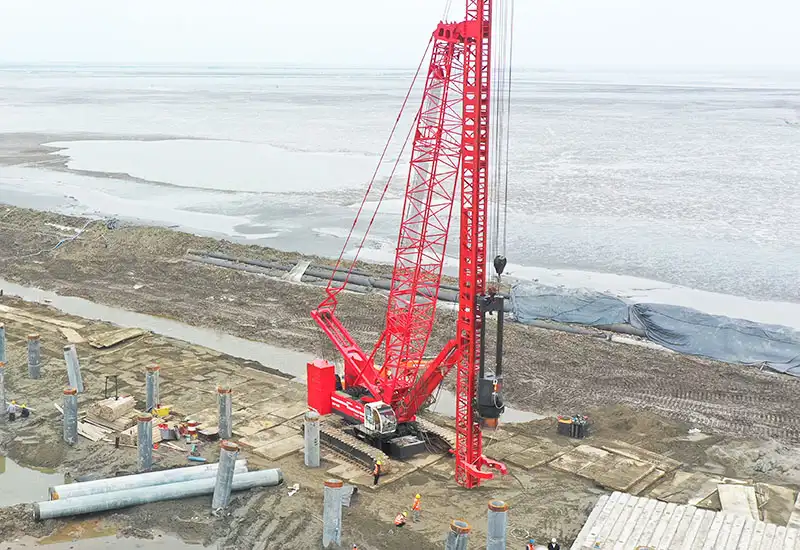
What Is the Quick Difference Between Hydraulic and Diesel Pile Hammers?
A hydraulic hammer offers more direct energy control, while a diesel hammer offers a simpler and more self-contained operating system. This table is useful for initial screening. It cannot confirm a model for a real project.
| omparison factor | Hydraulic impact hammer | Diesel pile hammer | Why it matters |
|---|---|---|---|
| Impact energy | Stroke or energy can usually be set and monitored | Actual stroke is affected by driving resistance and hammer condition | Affects pile stress and control |
| Supporting equipment | Needs a power pack, hoses, and controls | Combustion takes place inside the hammer | Affects transport and site layout |
| Easy driving | Can start with lower, controlled energy | May not run well when soil resistance is very low | Matters in soft upper soil |
| Changing soil | Energy can be adjusted as resistance changes | Stroke responds in part to pile and soil resistance | Affects driving control |
| Crane planning | Include hammer, helmet, sleeve, hoses, and lifting gear | Include hammer, lead parts, fuel, and lifting gear | Controls safe lifting |
| Exhaust | No combustion at the hammer | Produces exhaust at the hammer | Matters on restricted sites |
| Noise | Still produces impact noise | Produces impact and combustion noise | Neither type is silent |
| Maintenance | Needs hydraulic service and hose care | Needs fuel, lubrication, and combustion-system care | Depends on local support |
| Common project fit | Often considered when controlled energy and monitoring are needed | Often considered when self-contained operation is preferred | Only an initial guide |
se this table to select a hammer type for further study. Do not use it to approve the final model.
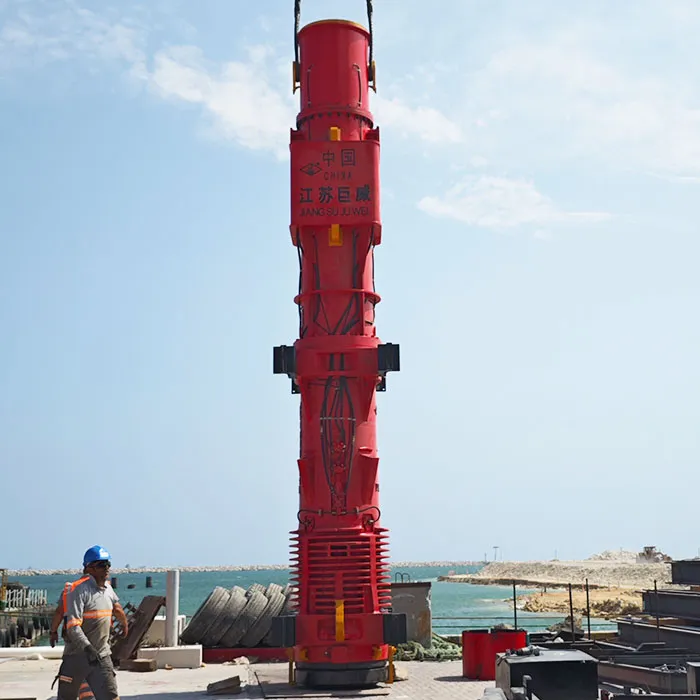
JUWEI supplies both hydraulic impact hammers and D-series tubular diesel pile hammers. This allows the selection to start with project data instead of one fixed product type.
Need an initial comparison? Send JUWEI the pile size, pile weight, soil summary, and target depth. We can first check which hammer type should enter the next stage.
How Do Hydraulic and Diesel Pile Hammers Produce Impact Energy?
Both machines drive piles through repeated impacts, but they lift and return the ram in different ways. This affects energy control, support equipment, starting behavior, and work in changing soil.
How Does a Hydraulic Impact Hammer Work?
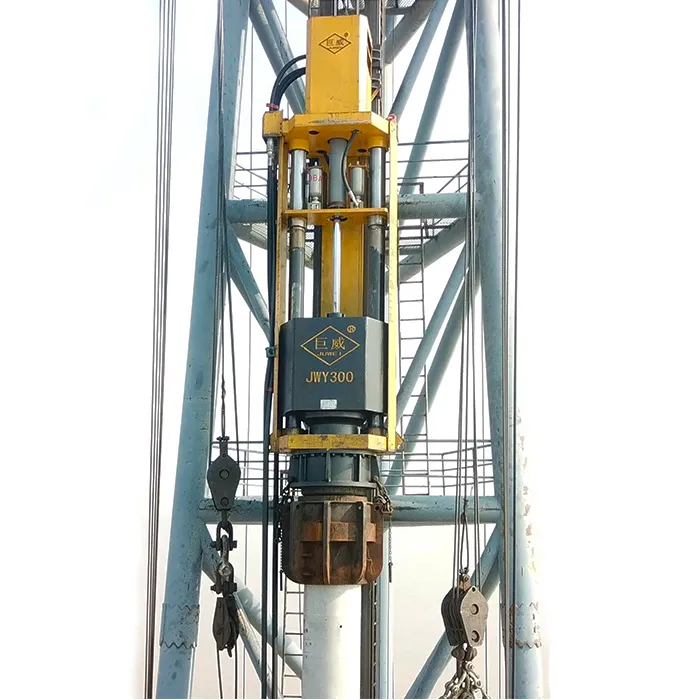
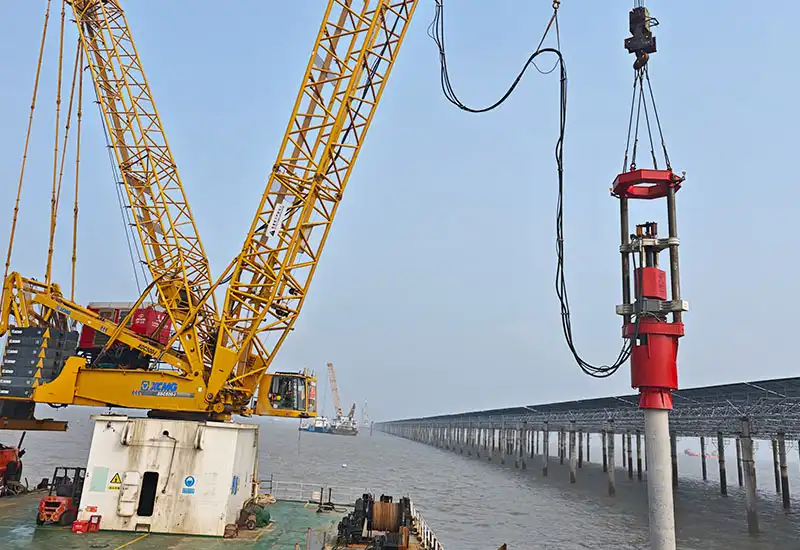
A hydraulic impact hammer uses pressurized hydraulic fluid to lift and control its ram. The exact cycle depends on the hammer design.
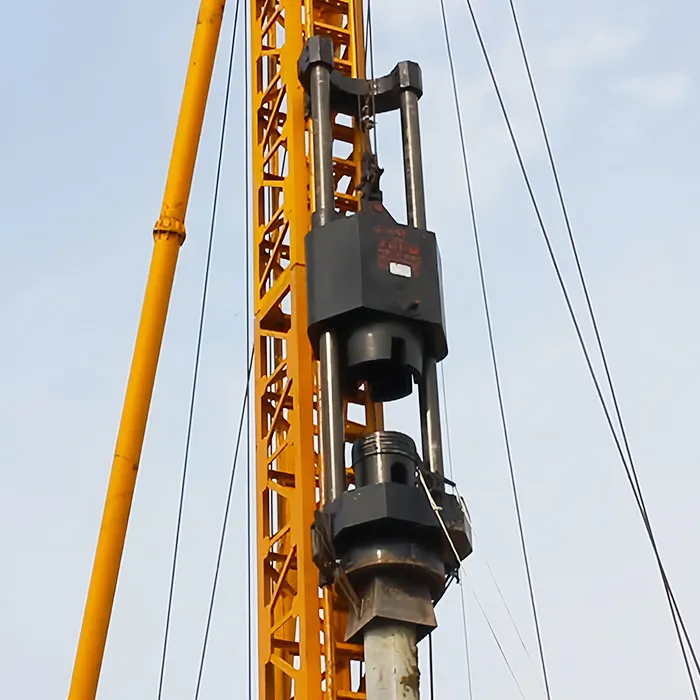
The hydraulic system lifts the ram to a set height. The ram is then released. It may fall by gravity or receive added hydraulic force. The ram strikes the anvil or impact block. Energy passes through the helmet, cushion, and pile head.
The operator can often select a lower or higher stroke. This helps during soft-soil driving, pile pitching, and changes in resistance. It can also help control pile stress.
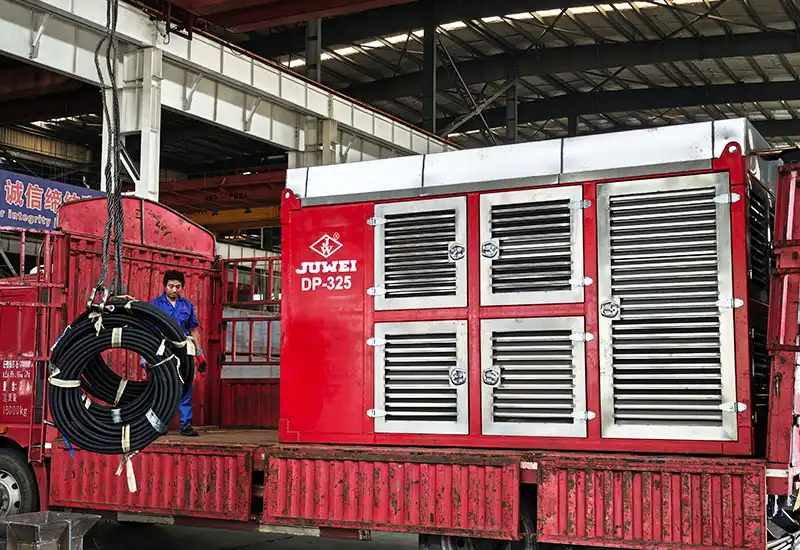
The power pack, hoses, controls, helmet, and sleeve are part of the working system. They must be included in deck, lifting, and service planning.
“Read the full process in How Does a Hydraulic Impact Hammer Work?.”
How Does a Diesel Pile Hammer Work?
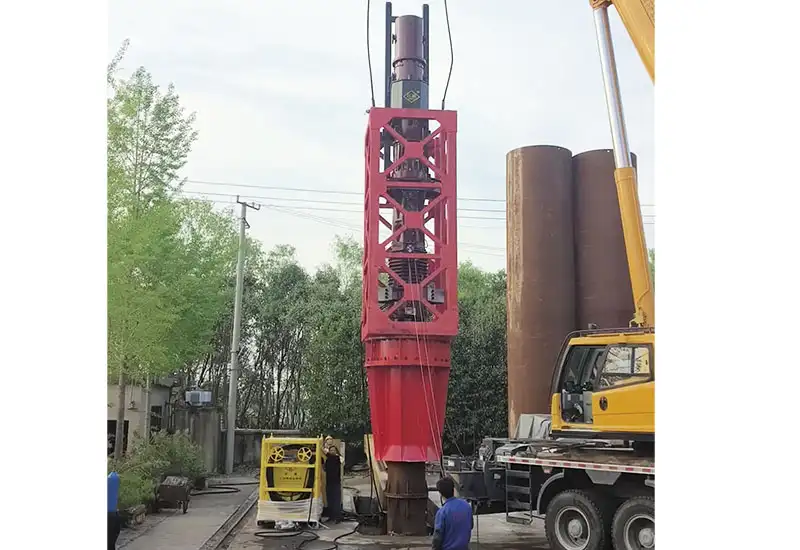
A diesel pile hammer uses ram movement, air compression, fuel injection, and combustion to continue its impact cycle.
The ram falls inside the cylinder and compresses the air. Fuel is injected. The ram strikes the impact block and sends energy into the pile. Combustion pressure helps send the ram upward for the next stroke.
The operating stroke is linked in part to the resistance and rebound of the pile. A diesel hammer may run well when the pile gives enough resistance. It may run less steadily during very easy driving.
Hammer condition, fuel delivery, lubrication, alignment, pile response, and soil resistance can all affect field performance.
See How Does a D-Series Diesel Pile Hammer Work? for the full cycle.
Which Differences Change Pile-Driving Performance?
The main differences appear in energy transfer, pile stress, easy driving, equipment matching, production, environmental controls, and total cost. These factors should be reviewed together.
Is Rated Energy the Same as Energy Delivered to the Pile?
No. Rated hammer energy is not the same as the energy that reaches the pile.
Energy passes through several parts:
- The hammer produces an impact.
- The ram strikes the impact block or anvil.
- Energy passes through the helmet and cushion.
- The pile head receives part of that energy.
- Stress waves travel down the pile.
Hammer condition, actual stroke, cushion properties, helmet fit, alignment, and pile response affect this process. Two hammers with similar rated energy may not produce the same result on the same pile.
Rated energy is useful for creating a shortlist. Final review should estimate blow count, penetration per blow, and pile stresses. The FHWA driven-pile foundation guide, Volume I provides technical background on driven-pile design and construction.
Do not select a hammer from its kJ or kN·m value alone.
Must the Pile, Soil, and Pile Stress Be Checked Together?
Yes. Hammer selection is reliable only when the pile, soil resistance, and allowed pile stresses are checked as one system.
Pile diameter is only one input. The review should also include:
- Pile material
- Wall thickness or section size
- Pile length and weight
- Open or closed pile toe
- Steel grade or concrete strength
- Vertical or batter position
- Splices and pile shoes
- Allowed compression and tension stresses
Soil resistance can change several times during one drive. A pile may pass fast through soft soil and then meet dense sand or hard clay. An open-ended steel pipe pile may also form a soil plug. This can change its driving resistance.
A small hammer may produce high blow counts or fail to reach the target. A large hammer, or too much energy, may place excess stress on the pile.
This is why “large pile equals large hammer” is not a safe rule.
Why Does Energy Control Matter in Soft or Changing Soil?
Energy control helps the crew start low and increase impact only when the pile needs it.
A pile may move fast through loose fill, soft clay, or weak upper soil. Full energy may not be needed at this stage. A lower setting can give the crew more control and reduce needless pile-head stress.
Resistance may rise when the pile enters dense sand, stiff clay, or a bearing layer. The hammer must then supply enough energy without passing the pile’s stress limit.
A hydraulic impact hammer often allows direct changes to stroke or energy. A diesel hammer responds more to pile resistance and rebound. This does not make diesel unsuitable. It means the expected resistance should be checked before selection.
How Should the Hammer Match the Leader and Crane?
The crane and leader must be checked against the complete suspended assembly, not only the hammer body.
The suspended load may include:
- Hammer body
- Helmet or drive cap
- Pile sleeve
- Cushion parts
- Lifting links and shackles
- Hose bundle or service lines
- Leader connection parts
- Other lifting accessories
The crane must carry this load at the required working radius. Its maximum capacity at a short radius is not enough.
The crane load chart must remain available to the operator under the OSHA crane operating requirements. The project team must still apply its local rules, crane manual, lift plan, and marine safety requirements.
Batter piles need added checks. The lead system must hold the required angle and guide the hammer without poor alignment.
Learn more about pile-driving lead systems and lifting equipment in pile-driving work.
Does a Higher Blow Rate Mean Higher Daily Production?
No. Blows per minute are only one part of pile-driving production.
Daily output also depends on:
- Lifting and pitching each pile
- Setting the pile in position
- Aligning the hammer and leader
- Splicing long piles
- Replacing cushions
- Moving the crane, vessel, or platform
- Starting and stopping the hammer
- Fuel or power-pack work
- Inspection and repair time
- Weather and marine conditions
A hammer with a high blow rate may still give low daily output if setup takes too long or service support is weak.
The contractor should compare the full cycle time per pile, not only hammer speed.
Is a Hydraulic Impact Hammer Quieter and Cleaner?
A hydraulic impact hammer removes combustion from the hammer body, but it still creates impact noise and needs environmental controls.
Diesel hammers produce exhaust at the hammer. They also produce impact and combustion noise.
Hydraulic hammers do not burn fuel inside the hammer. However, a diesel-powered hydraulic power pack still produces exhaust at another location. Hydraulic hoses and connections must also be checked for oil leaks.
Both hammer types create impact noise. Neither should be described as silent.
The FHWA Construction Noise Handbook lists pile drivers among construction noise sources. Offshore projects may also need a marine sound assessment. NOAA provides technical guidance for assessing human-made sound and marine mammal hearing.
Noise limits and control measures must be set for the actual project. Do not apply one dB claim to every site.
Should Buyers Compare Hammer Price or Total Installed Cost?
Buyers should compare the total cost of installing the piles, not only the hammer purchase price.
The full cost may include:
- Hammer and main accessories
- Helmet, sleeve, and cushion
- Leader or guide system
- Hydraulic power pack and hoses
- Fuel and lubricants
- Crane size and working radius
- Sea or land transport
- Mobilization and setup
- Operators and service staff
- Spare parts
- Maintenance time
- Production rate
- Delay risk
Hammer prices cannot be compared until the supply scope, delivery terms, accessories, and support equipment are defined.
A lower hammer price may not reduce project cost if it needs a larger crane, drives too slowly, or lacks parts support. Compare the cost per installed pile and the risk to the schedule.
How Can You Choose a Pile Hammer in Six Engineering Steps?
Start with the pile and required result, then check soil, equipment, site limits, and driving analysis.
Step 1: What Pile Data Should You Define?
Begin with a complete pile description because pile diameter alone cannot set the hammer size.
Provide:
- Pile type and material
- Outside diameter or section size
- Wall thickness
- Length and weight
- Open or closed toe
- Steel grade or concrete strength
- Vertical or batter position
- Batter angle
- Splice method
- Pile shoe details
- Water depth, if offshore
Pile drawings help the supplier check the helmet, sleeve, lifting arrangement, and guide clearance.
Step 2: What Installation Result Must the Hammer Reach?
Define the accepted result before comparing hammer models.
The target may include:
- A set pile toe level
- Required axial capacity
- Required penetration resistance
- Final blow-count range
- Maximum penetration per blow
- Project refusal rule
- Pile stress limit
- Construction schedule
The same pipe pile may need a different hammer if the target depth, capacity, or acceptance rule changes.
Step 3: What Soil and Driving Risks Should Be Reviewed?
Use the geotechnical report to find where driving may become too easy, too hard, or harmful to the pile.
Useful data include:
- Borehole logs
- Soil layer depths
- SPT or CPT results
- Soil unit weights
- Strength values
- Groundwater level
- Rock or obstruction records
- Expected soil setup or relaxation
Open-ended pipe piles also need a check for soil plugging. Words such as “soft soil” or “hard ground” are not enough for final selection.
The FHWA driven-pile foundation guide, Volume II provides further construction and foundation guidance.
Step 4: What Must Be Included in the Complete Driving System?
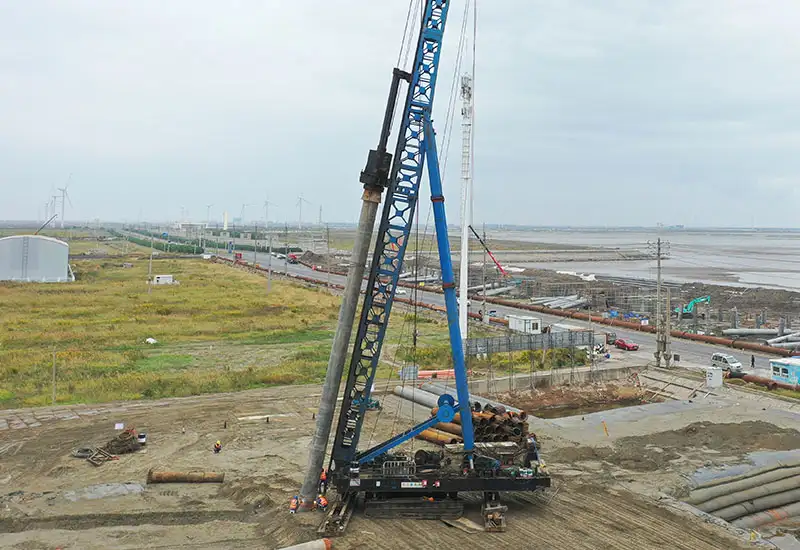
Match the hammer with every part that transfers energy, guides the hammer, or supports the work.
The system may include:
- Hammer
- Helmet or drive cap
- Pile sleeve
- Cushion
- Leader
- Lifting accessories
- Crane
- Power pack and hoses
- Fuel and lubrication equipment
- Monitoring equipment
For offshore work, also check deck space, hose routing, lifting height, vessel movement, and access for service staff.
Step 5: Which Site and Commercial Limits Affect the Choice?
A hammer that can drive the pile must also fit the site, supply chain, and tender plan.
Review:
- Noise and emission rules
- Land, barge, or offshore operation
- Available crane and leader
- Working radius
- Deck or ground space
- Local fuel and power supply
- Service skills
- Operator experience
- Spare-parts access
- Delivery time
- Mobilization cost
- Tender budget
- Required completion date
These limits may change the final choice even when both hammer types can drive the pile.
Step 6: How Should the Hammer Selection Be Verified?
Verify the shortlist with wave-equation analysis and field measurements before final approval.
GRLWEAP wave-equation software can be used to model pile-driving conditions. The review may estimate:
- Blow count
- Penetration per blow
- Energy transfer
- Compression stress
- Tension stress
- Cushion behavior
The model should check several soil layers and energy settings.
Where required, the team can use a test pile, Pile Driving Analyzer high-strain testing, and CAPWAP signal matching. These results help compare predicted and measured pile response.
The hammer model, stroke setting, cushion, or driving criteria may change after testing. A preliminary supplier recommendation is not final engineering approval.
Request the JUWEI Pile Hammer Selection Data Sheet: Complete one form with the pile, soil, crane, leader, site, and schedule data needed for an initial technical review.
What Can We Learn From Three Real Hammer Inquiries?
These first-contact inquiries show why a model name or pile diameter is not enough for a reliable proposal.
| Inquiry | What the buyer supplied | What was still needed | Initial finding |
| D80 in a suspended leader | Hammer model, offshore use, leader concept | Full pile, soil, leader, crane, and radius data | Pipe diameter alone cannot confirm suitability |
| D138 for a terminal | Preferred model and project type | Pile drawings, soil data, target result, and equipment data | Buyer preference is not model approval |
| Hydraulic hammer for about 500 pipe piles | Main pile geometry, quantity, batter angle, and crane concept | Soil analysis, hammer assembly, crane-radius check, and driving study | Enough for screening, not final selection |
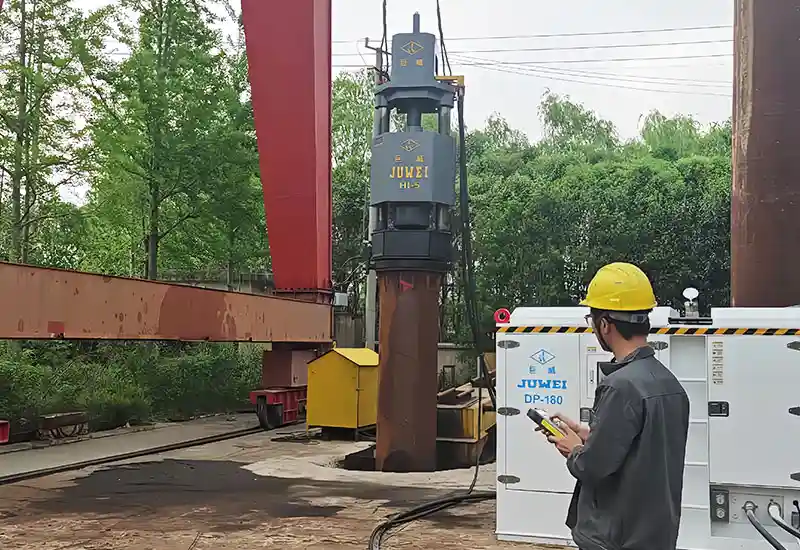
Can a D80 Drive Pipe Piles in a Suspended Leader at Sea?
The answer cannot be confirmed from the D80 model and pipe diameter alone.
Published D80 data include:
- Ram weight: 8 tonnes
- Rated energy: about 171–267 kN·m
- Hammer body weight: about 16.4 tonnes
- Blow rate: about 36–45 blows per minute
These values support early screening. They do not prove that the hammer can drive the project pile.
The buyer must also provide wall thickness, pile length, pile weight, soil data, target depth, leader dimensions, crane radius, and suspended-load limit.
The quotation should cover the matched leader and lifting system, not only the D80 diesel hammer.
Is a Requested D138 Suitable for a Marine Terminal?
A model requested by the buyer is a starting point, not proof that it fits the pile.
Published D138 data include:
- Ram weight: 13.8 tonnes
- Rated energy: about 295–461 kN·m
- Hammer body weight: about 25.9 tonnes
- Blow rate: about 36–45 blows per minute
Without pile and soil data, the D138 could be suitable, too small, or larger than needed.
The next step is to collect the pile drawing, weight, material, target depth, soil records, leader type, crane data, and site limits. These inputs allow the supplier to check driving ability and lifting feasibility before quoting a D138 diesel pile hammer.
How Should a Hydraulic Hammer Be Selected for About 500 Offshore Pipe Piles?
A large offshore pile package needs a complete system review and driving study before a hammer model is approved.
A North African container-terminal inquiry involved about 500 open-ended steel pipe piles:
- Outside diameter: 1,000 mm
- Wall thickness: 25 mm
- Length: about 51 m
- Weight: about 33 tonnes per pile
- Position: vertical and about 11-degree batter
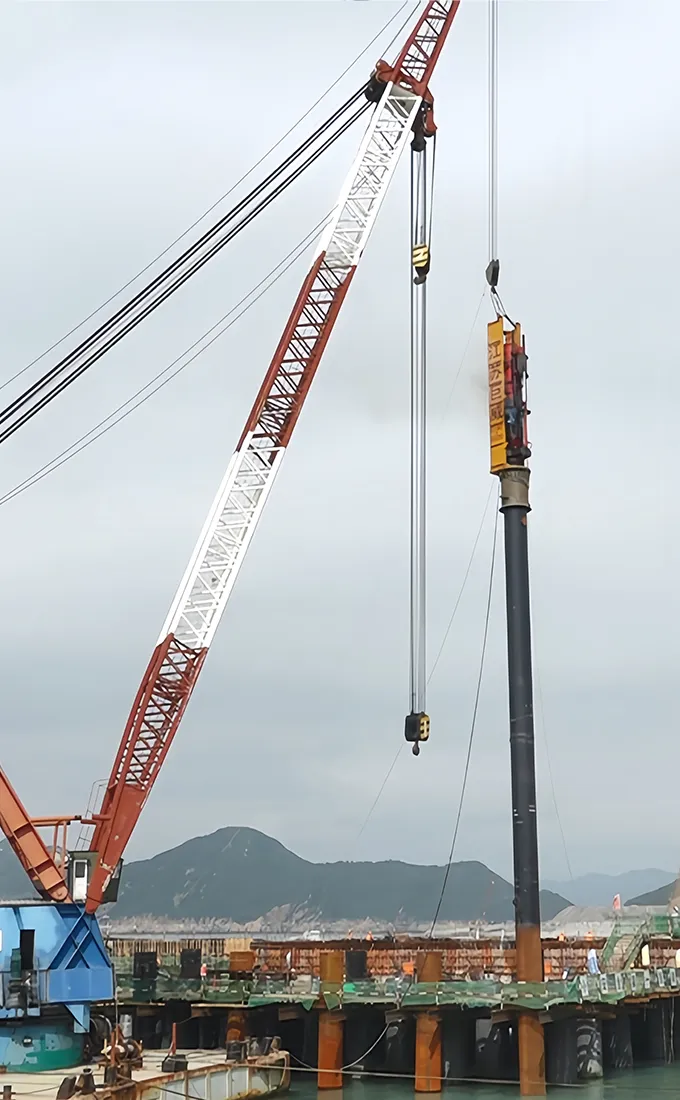
- Work method: piling vessel with a crawler crane
This is enough to begin screening. It is not enough to approve a hammer.
The review must cover soil resistance, pile stresses, blow counts, helmet and sleeve design, full hammer assembly weight, crane capacity at working radius, power-pack location, hose routing, and batter-pile guidance.
The supplier can issue a budget proposal with stated assumptions. Final selection should follow analysis, testing, and project approval.
What Should a Preliminary Hammer Recommendation Include?
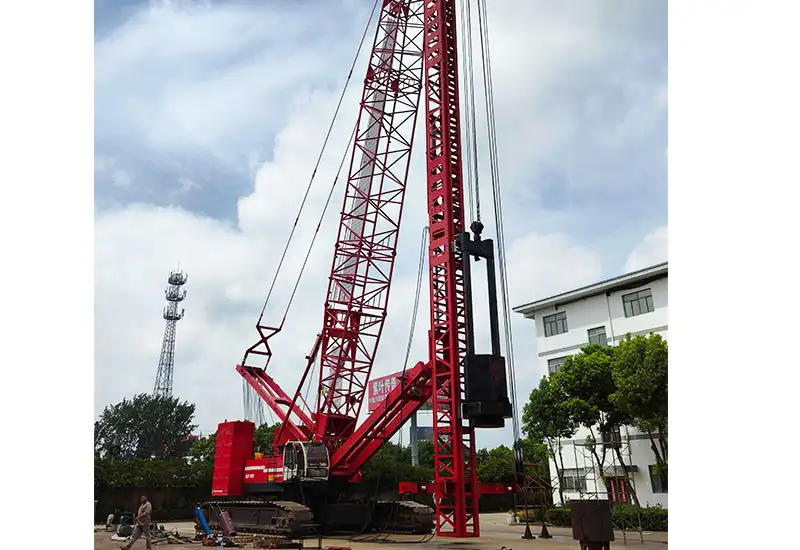
A useful recommendation should define the complete system, expected performance, assumptions, supply scope, and next approval step.
Ask the supplier to include:
- Recommended model and selection reason
- Hammer technical data
- Pile and soil inputs used
- Helmet, sleeve, and cushion details
- Hammer body weight
- Total assembly lifting weight
- Leader and crane requirements
- Power-pack, hose, fuel, or electrical needs
- Initial driving estimate
- Staff and support-equipment needs
- Fuel or power estimate
- Delivery and mobilization schedule
- Included items and exclusions
- Customer and site responsibilities
- Required analysis and field tests
A budget quotation may use early assumptions. Those assumptions must be listed.
Frequently Asked Questions
Q1: Is a Hydraulic Impact Hammer Always Better?
No. A hydraulic impact hammer is not always better. It often gives more direct energy control and monitoring. It also needs a power pack, hoses, and hydraulic support. A diesel hammer may fit a project that values self-contained operation and familiar field service.
Q2: Which Hammer Is Better for Offshore Steel Pipe Piles?
Neither type can be selected from the words “offshore steel pipe pile” alone. Check the pile, soil, required result, vessel layout, crane radius, leader, environmental rules, and pile quantity.
Q3: Can Both Hammer Types Work With Suspended Leads?
Many hydraulic and diesel models can work with a suitable suspended lead, but each combination must be checked. Review guide dimensions, lead strength, full suspended weight, service-line arrangement, crane capacity, working radius, and batter requirements.
Conclusion
Choose the hammer that fits the complete driving system and verified driving requirements, not simply the model with the highest rated energy.
JUWEI Factory can then prepare a preliminary hydraulic or diesel hammer selection, supply-scope proposal, total assembly weight, and list of items that still need engineering approval.